Patience
Give valid trades enough time to develop instead of treating every pause as a reason to leave.
One Key Component of The Trading Framework™
SIT 2.0™ is the structured system designed to help traders stop abandoning qualified trades too early.
Learn how to manage normal pullbacks, control the mental pressure after entry, and remain with the trade while the conditions supporting the original setup are still intact.
Trading involves substantial risk and may not be suitable for all investors.

The Trade Was Not Always The Problem
You may need to stop abandoning the qualified entries you already have.
Many traders have an entry strategy but no structured process for what happens after they enter.
The trade pulls back. Open profit changes. Confidence drops. Emotion takes control. A position that still meets the original conditions gets closed before the move has time to develop.
A Strategy Built Through Years of Holding
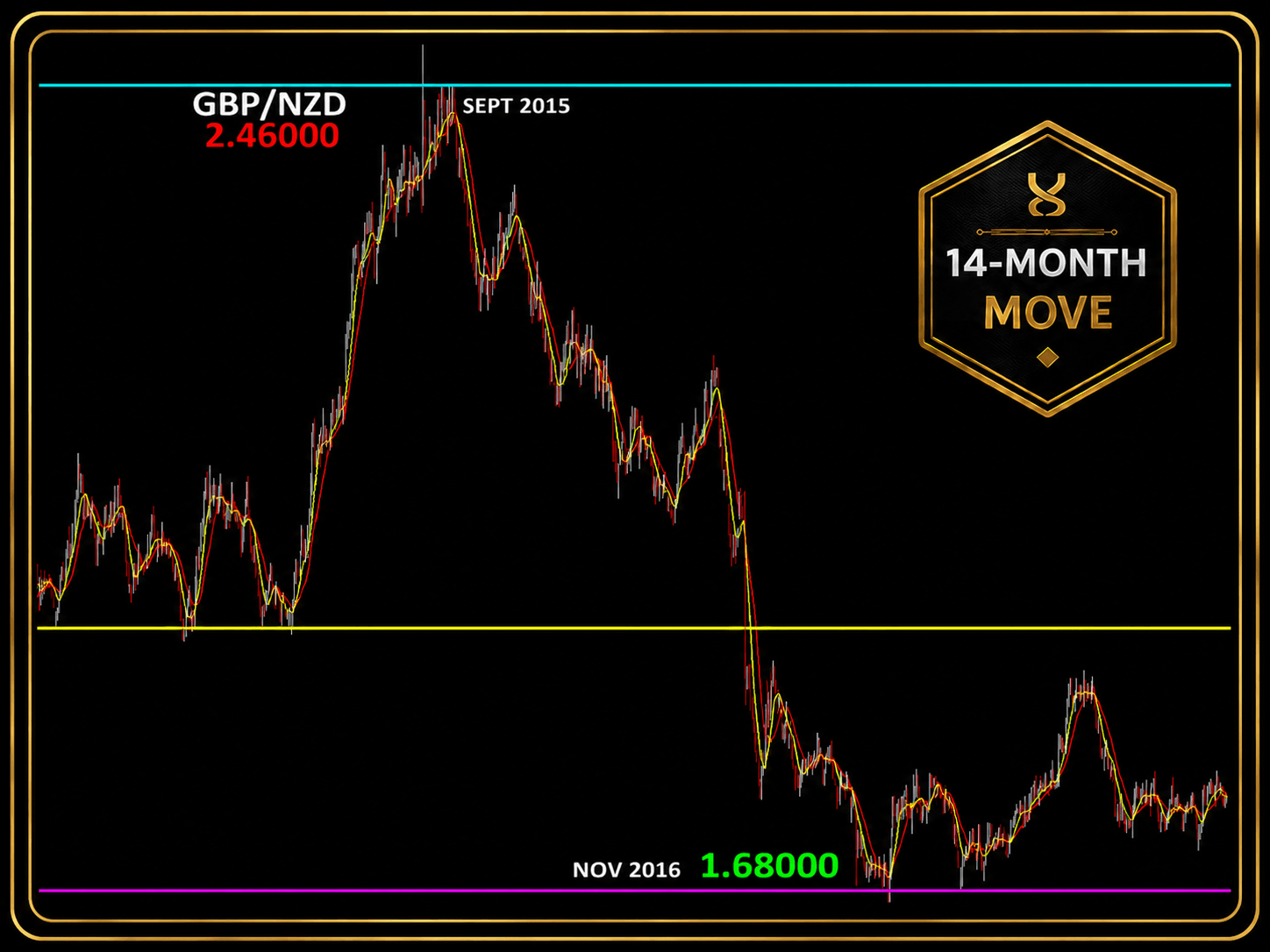
GBP/NZD | September 2015–November 2016
While most traders focused on quick wins, I focused on major market movement.
Days turned into weeks. Weeks turned into months. That experience is what helped shape the original SIT Strategy™ and ultimately SIT 2.0™.
Historical market examples do not guarantee future results.
The Timeframe Changed. The Principle Remained.
I am a long-term trader at heart. SIT helped me remain with forex trades that developed across days, weeks, and months. Today, I apply those same core principles to qualified opportunities in US30, S&P 500, and NAS100 that may develop over several productive hours.
Give valid trades enough time to develop instead of treating every pause as a reason to leave.
Continue holding while the conditions supporting the original trade remain intact.
Manage pullbacks, open-profit anxiety, and pressure without surrendering the decision.
Follow a repeatable process instead of making a new emotional decision on every candle.
The System Behind Staying in Your Trades
It is not random holding. It is structured trade management.
SIT 2.0™ is the system behind staying in valid trades, managing normal pullbacks, controlling the mental pressure after entry, and exiting only when the market gives you a valid reason to leave.
The objective is not to hold every trade longer. The objective is to remain with the right trade while the conditions that justified the original entry remain intact.
Remain with the position while market conditions continue to support the original trade idea.
Separate routine fluctuation from a meaningful change that may require an exit.
Keep fear, greed, and changing open profit from deciding the trade for you.
While The Trade Is Open
Let the move develop. Exit for a reason.
Instead of reacting to every candle, fluctuation, or temporary pullback, the trader uses market structure and defined conditions to determine whether the opportunity is still valid, or whether there is a legitimate reason to exit.
Give a strong, qualified setup enough time and room to expand while its supporting conditions remain present.
Leave because the conditions changed, not simply because the trade created discomfort.
The Real Reason Traders Exit Too Early
The market tests your mind before it pays you.
The challenge is staying in the right trade while the market tests your patience, confidence, and discipline. SIT 2.0™ is built to help manage the pressure that causes premature decisions.
Questioning the analysis even when the trade conditions remain intact.
Mistaking normal market behavior for a reason to abandon the setup.
Forcing an early exit or changing a stop before the trade can develop.
Allowing fear of giving back profit to replace the original trade plan.
Seeing Five Moves Ahead
Advanced traders do not simply react to the current candle. They anticipate how institutional market makers may use the immediate move to create pressure, trigger exits, or disguise the larger opportunity.


Drag the gold control to compare reaction with strategy
A novice trader becomes hyper-focused on the immediate threat instead of the conditions that justified the trade. One red candle spikes against the position, panic takes over, and the trader exits a still-valid trade just before the market reverses.
“Amateurs focus on the immediate threat. They let market noise shake them out of position.”
A master recognizes that the apparent threat may be empty or part of a trap. Rather than abandoning the trade because of one candle, the trader looks five moves ahead, evaluates the broader structure, and stays in the trade while the conditions supporting the original entry remain intact.
“Masters look beyond the candle. They stay in the trade while structure, not temporary noise, guides the decision.”
The Strategy Through a Student’s Experience
“The Stay In Your Trades Strategy Is Just Straight Gold...Seriously!”
Michael’s message captures the purpose of SIT 2.0™: the entry was not the missing piece. He needed the patience and structure to remain with a valid trade instead of leaving under pressure. Individual experiences vary and are not a guarantee of future results.
SIT 2.0™ May Be The Missing Component
You may understand the setup, enter correctly, and even see the trade move, yet still leave before the opportunity has time to develop.
You repeatedly close valid positions before the planned move has developed.
Normal price movement causes you to doubt otherwise sound analysis.
You close quickly because changing open profit feels like a loss.
You exit, then search for another entry as the original move continues.
You take less because remaining in the position feels uncomfortable.
You want defined reasons for staying and defined reasons for leaving.
When The Decision Process Changes
SIT 2.0™ does not promise that every trade will continue. It changes the process used to decide whether to stay or leave.
Fear, pullback panic, changing open profit, small targets, repeated entries, and willpower determine the exit.
Clearer trade management, fewer emotion-driven exits, and more deliberate decisions guide the response.
One Component. A Complete Framework.
SIT 2.0™ is one important component of the broader Trading Framework™.
What happens after entry is connected to what happened before it: where the opportunity exists, how much exposure is appropriate, what conditions must be present, and how emotional pressure will be managed.
SIT 2.0™ becomes more effective when it is connected to the complete decision-making structure of The Trading Framework™.
Questions Before You Begin
SIT 2.0™ stands for the Stay In Your Trades Strategy. It is a conditional trade-management system developed by Yusef Scott to help traders evaluate whether a qualified trade may still deserve time while managing the psychological pressure that often causes premature exits.
No. SIT 2.0™ does not teach traders to hold every trade indefinitely. It helps them evaluate whether the conditions supporting the original setup remain present and recognize when a meaningful change may require a response.
No. The strategy developed from Yusef Scott’s experience holding forex trades for days, weeks, and months, but its principles are also applied to shorter intraday opportunities in markets such as US30, S&P 500, and NAS100.
The system is designed to address premature exits by giving traders a more structured process for evaluating the trade. It cannot eliminate every emotional reaction or guarantee that every decision will be correct.
No. Holding a trade longer can increase risk as well as opportunity. SIT 2.0™ focuses on structured decision-making, not guaranteed profits or indefinite holding.
Stop Leaving The Move Before The Move Leaves You
Most trading companies ask you to accept their promises without accountability. SDEFX University™ takes a different approach.
Every qualifying Legacy Membership includes a Point Guarantee™ aligned with the level of access selected, giving members a clear and measurable commitment during their initial guarantee period.
SIT 2.0™: Stay In Your Trades. Stay With The Structure.
You're Almost There
Enter your best email below to continue your registration.
🔒 Your information is secure and will never be shared. You can unsubscribe at any time by clicking the unsubscribe link at the bottom of our emails.